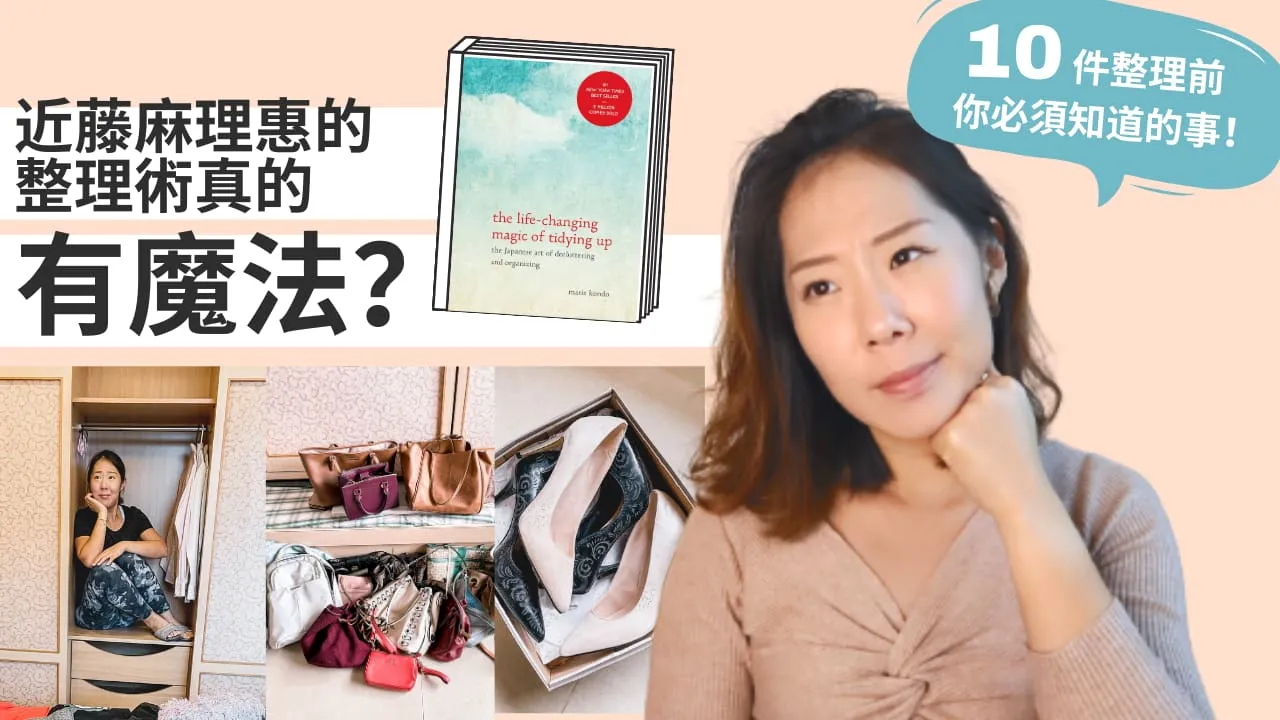
The Life-Changing Magic of Tidying Up: My 10 Key Takeaways
What's the first thing to do as 2021 arrives? A big clean-up of the house, of course, to welcome the new year properly. After Netflix aired her series Tidying Up, Marie Kondo became a household name around the world. I remember watching two or three episodes a year ago and thinking, wow, this is crazy, tidying like this must be so painful!
By Amanda Chang
This page was machine-translated and may contain errors.
The tidying magic that swept the world: did it really spark joy for us?
What’s the first thing to do as 2021 arrives? A big clean-up of the house, of course, to welcome the new year properly. After Netflix aired her series Tidying Up, Marie Kondo became a household name around the world. I remember watching two or three episodes a year ago and thinking, wow, this is crazy, tidying like this must be so painful!
At the end of last November, I was thinking back on how hard and gloomy 2020 had been, and I wanted to face 2021 with a better attitude. If I wanted to sort out my thoughts first, I had to clear out my surroundings! How to get started? A picture flashed through my mind: “Every day I open my cabinet to get the things I need before heading out (keys, wallet, makeup bag) and spend so much time looking for things that leaving the house always feels rushed and irritating. It’s the same at the office! I open a drawer and it’s stuffed with things I don’t need. That cluttered feeling keeps piling up negative emotions, and I really can’t take it anymore!”
Once I made up my mind to tidy up, I read Marie Kondo’s book “The Life-Changing Magic of Tidying Up” cover to cover. First, I was really curious about the dramatic before-and-after transformations on Netflix: what’s the philosophy behind Marie Kondo’s tidying magic, and how can you tidy better? Second, I used to move a lot for work, and I never knew how to organize my home, so within two months of tidying up it would be a mess again. That’s why I always hated hearing the words “big clean-up,” and I didn’t believe there was any magic to it other than things getting cleaner.
So, this time I want to share what Cesar and I took away from completing Marie Kondo’s “The Life-Changing Magic of Tidying Up” and what we learned ourselves. I won’t go into too many details from the book, because the book explains them clearly and is really worth reading yourself to understand her method and philosophy. Instead I want to focus on our most honest feelings during the process and share a few key takeaways with you, in the hope that it gives you more help and preparation before you decide to roll up your sleeves and start tidying.
1. Before you start tidying anything, take the time to read “The Life-Changing Magic of Tidying Up.”
I’m sure many books and online groups have a wealth of storage and organizing knowledge. I’ve joined groups like that myself, and every time I saw organizing experts share their methods, I admired them, but it never sparked the motivation to actually tidy my home. Partly because most of the storage methods seemed to have a high barrier and require buying lots of organizing products, partly because they didn’t suit my living space, and some of the results actually looked even more stressful, as if there were tons of stuff obsessively lined up neatly on display. They didn’t resonate with me at all.
2. It’s important to think about what kind of living space sparks joy for you: visualize your lifestyle.
Before Cesar and I started tidying, we closed our eyes together for about 3-5 minutes and imagined what our dream living space would look like. This helped us a lot during the process, because we knew clearly which direction we were heading. For example: I dream that every morning before work, I open my cabinet and find my bag quickly and happily; I open my closet and see right away what I’m going to wear today without wasting time looking for clothes; I open my kitchen cabinets and the food containers are neatly lined up and don’t fall out. Sketch your dream living space in your mind first, and once you’ve drawn your dream blueprint with your eyes closed, don’t forget to thank your home for giving you a space to rest and relax and for all the memories. The book says to imagine first:
“It’s important to know what kind of living space sparks joy for you, because knowing your goal tells you what to keep and what to let go,” so that you can “live surrounded by the things that spark joy every day.”
3. Live surrounded by things that spark joy
Living surrounded by things that spark joy means not falling into the vortex of ineffective tidying, only to end up back in a mess not long after. What this method emphasizes is that tidying is definitely not just putting everything you own away neatly. No, no, no, that’s not what we’re doing. The first thing to do is actively decide what stays and what goes: choose which things bring you joy in your life and which things you no longer need to own. Thank those items and let them go. Discard first, then decide how to store what’s left.
4. How do you decide what stays and what goes? SPARK JOY
“Spark joy” is probably the first phrase that comes to mind when people think of Marie Kondo, because it runs through her whole method. The core of the KonMari method is: “When you pick up this item, does it spark joy?” You use this to decide whether to keep something, rather than asking whether you need it. “Does this spark joy?” seems like a simple question, but when actually tidying, Cesar and I often ran into things like: I don’t feel anything for this piece of clothing, but it’s important, like the comfy pajamas I wear every day, or important documents I have to keep. You’ll run into lots and lots of situations like this while tidying. When these items come up and you can’t decide right away, I suggest setting them aside somewhere else. Once you’ve finished that whole category, come back and decide whether to keep them. Don’t let yourself get stuck on one item for too long. There’s so much to sort through that if you spend all your time and energy agonizing over one thing, you’ll get tired quickly and won’t want to keep going.
5. Don’t rush to buy storage products
Whether it’s before you start discarding or when you’re putting things back where they belong after discarding, we often think we need lots of storage products to keep things neat. I once spent ages on shopping sites picking out storage boxes, only to find when they arrived that some were the wrong size or inconvenient to use. In the end, the storage boxes became one more thing that needed to be stored!
You can get creative with what you already have. For example, during the process, keep some pretty or good-condition empty boxes and turn them into storage boxes. But if you really do need to buy some cabinets or organizers, I suggest first taking a good look at the things you’ve already put back and seeing what actually needs to go in a box before you buy. Also, choosing clear storage boxes, or ones that let you see what’s inside at a glance, is a method MK emphasizes.
6. Think about how you move around your home and how often you use things
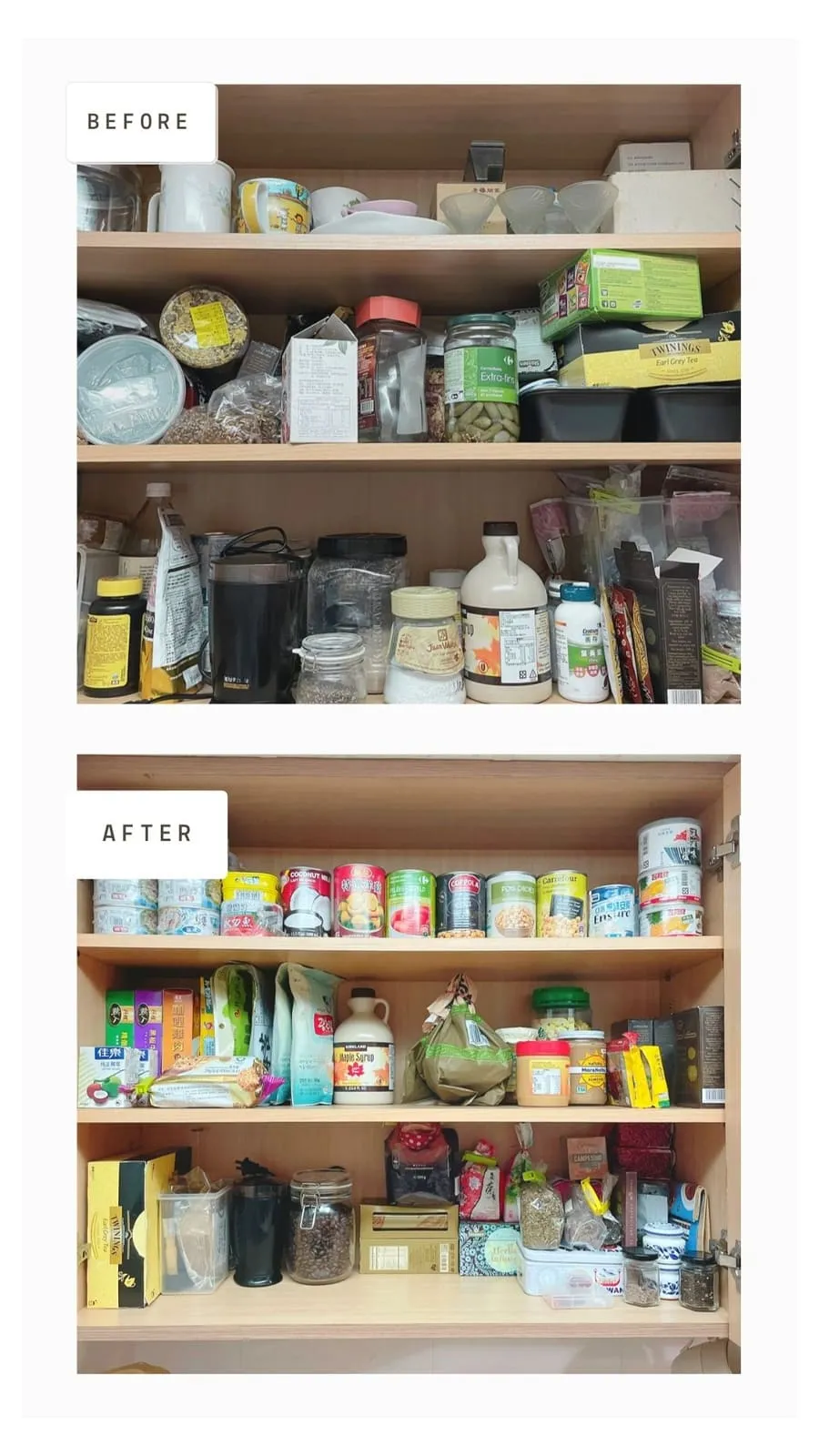
At first, after I took all the food out of the kitchen, I put everything back very neatly. Near the end I realized I didn’t know where to put the things I use most, like tea bags and coffee beans, while I’d put the canned goods in the easiest spot to reach, even though I hardly ever use them. So I took everything out and rearranged it, because I’d forgotten to consider how I actually use my kitchen. It’s the same with clothes: where you keep the underwear you wear most is definitely different from where you hang your coat when you get home. Some cabinets I can’t even reach and need Cesar to get things from them, so the places I can reach should hold the things I use most. Thinking about how you move around and how often you use things makes everything more convenient, and I’ve found it also makes it less likely that things get put back in the wrong place after use.
7. Don’t overuse or overload your storage space
I remember buying some shoe storage boxes and finding the boxes were bigger than I thought, like they could fit two pairs, so I wanted to cram two pairs into each one. Later I realized this is a really bad attitude. Besides being disrespectful to the items and looking bad, it’s not storage, it’s falling into the hoarding trap all over again. Even if I did manage to fit two pairs in one box, they wouldn’t be facing forward, which looks so messy, I might not be able to find my shoes, and the extra boxes might even make me buy more shoes to fill them! That’s a bad attitude and a bad cycle, so I suggest not overusing your storage space. Whatever you do, don’t stuff it full.
8. Things look really terrible before they get better
During the process, I took lots of photos on my phone of each category with everything pulled out. Can you imagine how scary that was? When I saw that huge pile of food, I actually paced back and forth for a long time because I didn’t know where to start. Even though I knew, oh, I can sort my spices first, then: does sugar count as a spice? Can pasta go with the curry? And I started to panic. I had no idea which item to pick up first. If you feel lost while tidying, believe me, you’re not the only one. What we all see are amazing before & after comparison photos, but when you’re actually tidying, you’ll definitely hit moments where you don’t know how to keep going. That’s completely normal! When that happens, I take deep breaths for 30 seconds, then think about what’s easiest and where to start sorting. Be mentally prepared for this, breathe, and a way forward will come naturally.
9. Invite the people you live with to do it with you
Especially if you share common spaces, I suggest having a good talk with them, whether family or roommates, about why you want to do this and why it matters to you. If possible, invite them to tidy the space with you. Besides letting everyone who lives under the same roof be part of the process, they may value and look after the space more afterward, and it also means you won’t feel so alone while you’re tidying. At first, after I finished MK’s book, I very seriously told him at dinner about what I wanted to do, and that I really needed a restart. Before I’d even invited him to join me, he immediately said: that’s a great idea, I’ve actually been thinking the same thing but didn’t know how to start. So invite the family or friends you live with to join you. Maybe they’ve had the same idea but haven’t had the motivation or didn’t know how to get started. Earlier I mentioned the panic I felt seeing all that food laid out on the table and not knowing where to begin. Having someone with you can greatly ease that anxiety and help you get it done more efficiently.
10. Become a better consumer
In real life none of us can snap our fingers like Thanos and make things happen, but we do have the power to decide what we buy. That’s a powerful ability, so don’t underestimate it. If we use “does this spark joy?” to decide what to keep when tidying, I believe that question matters even more when you’re buying something. After all, we spend so much time tidying and organizing, but if I don’t change my shopping habits and attitude, I’ll just end up with more things that take more time to tidy. Now when I shop, I remind myself that I don’t need to own something just because it’s on sale, but because it will bring more convenience and happiness to my life. Being a mindful consumer is the best start toward the ideal life you want, and it also helps our true home, the Earth, keep giving us a comfortable and beautiful place to live.
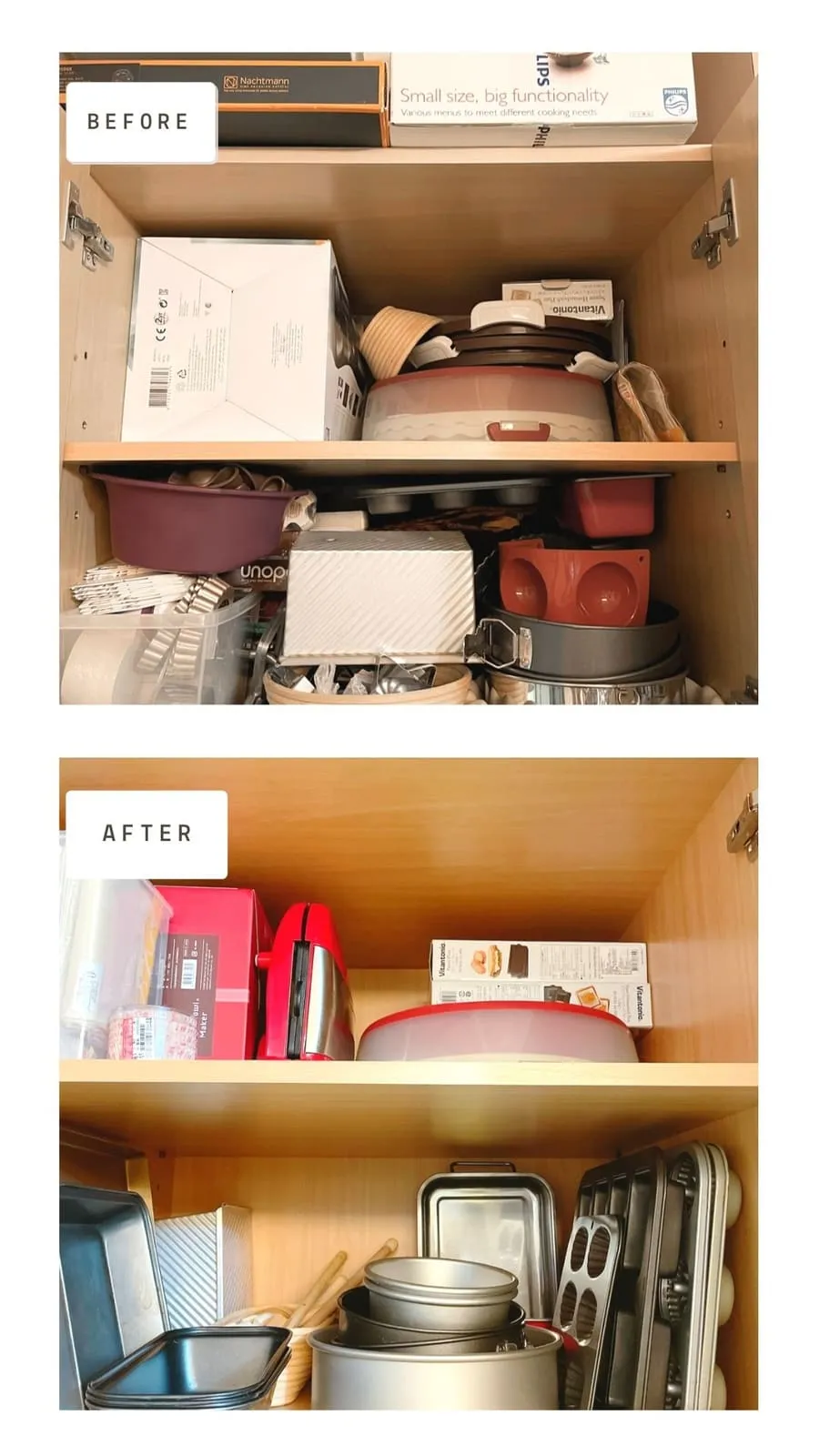
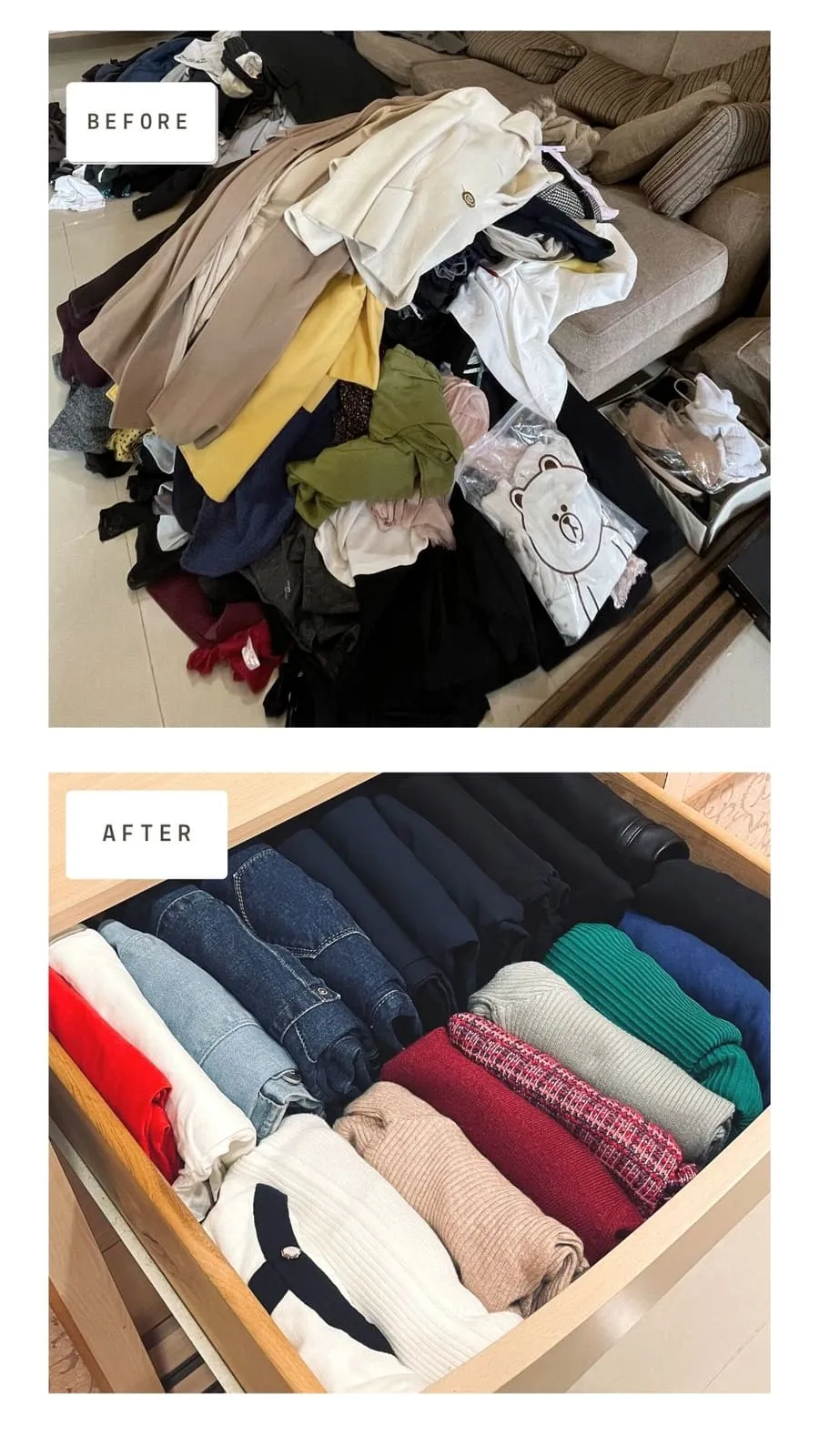
P.S. By popular request, here’s a very unprofessional series of before & after photos
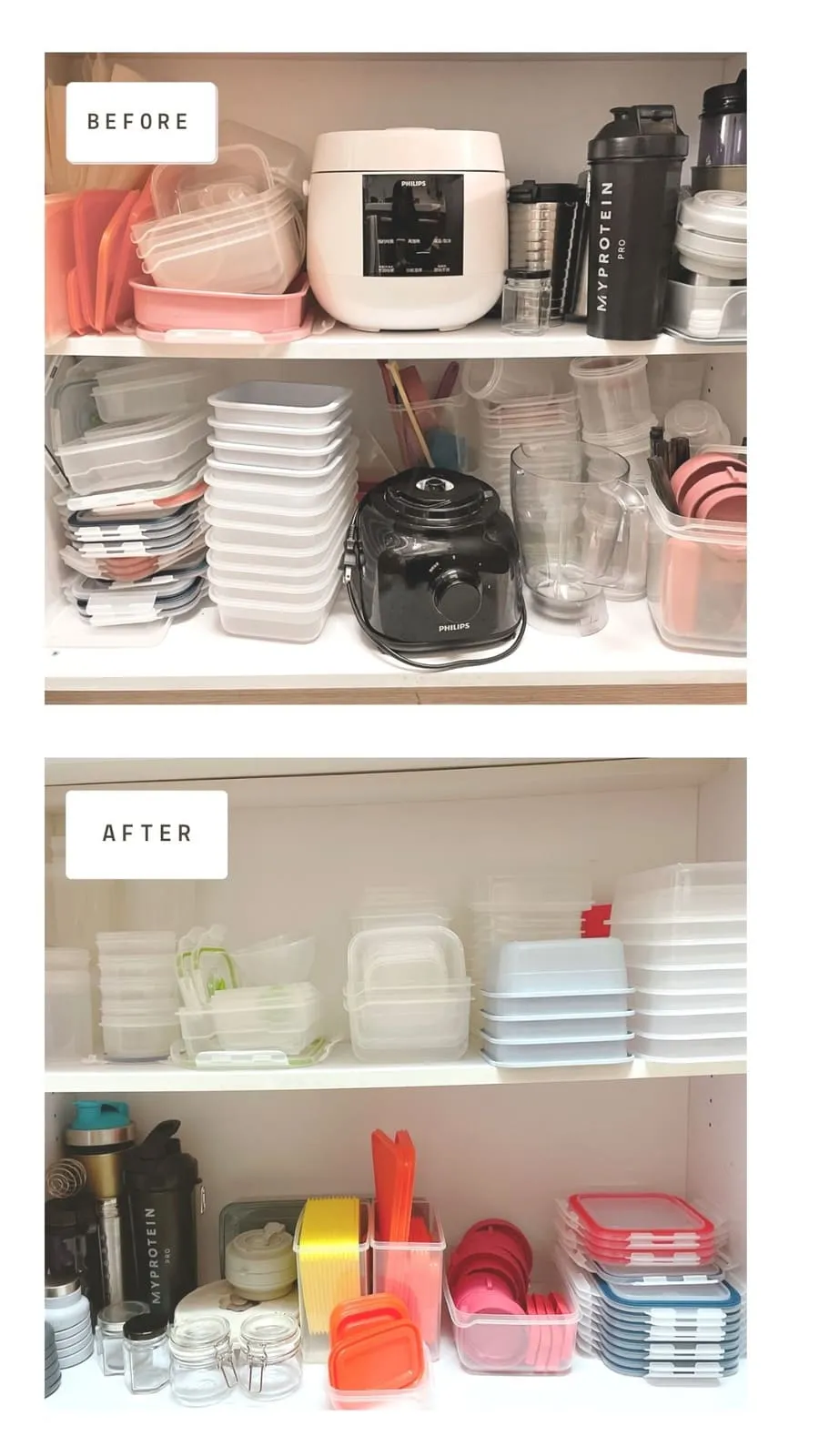
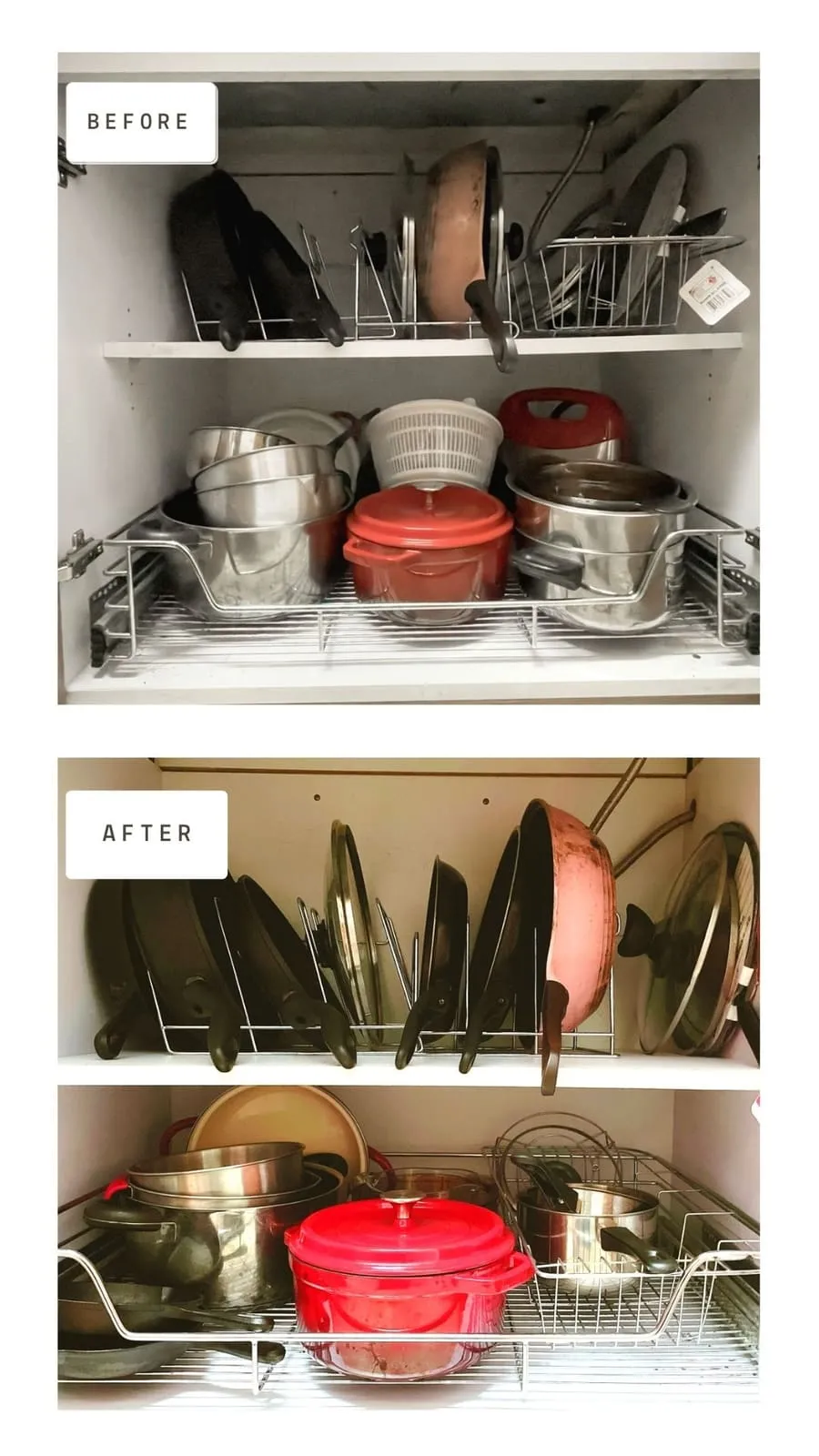
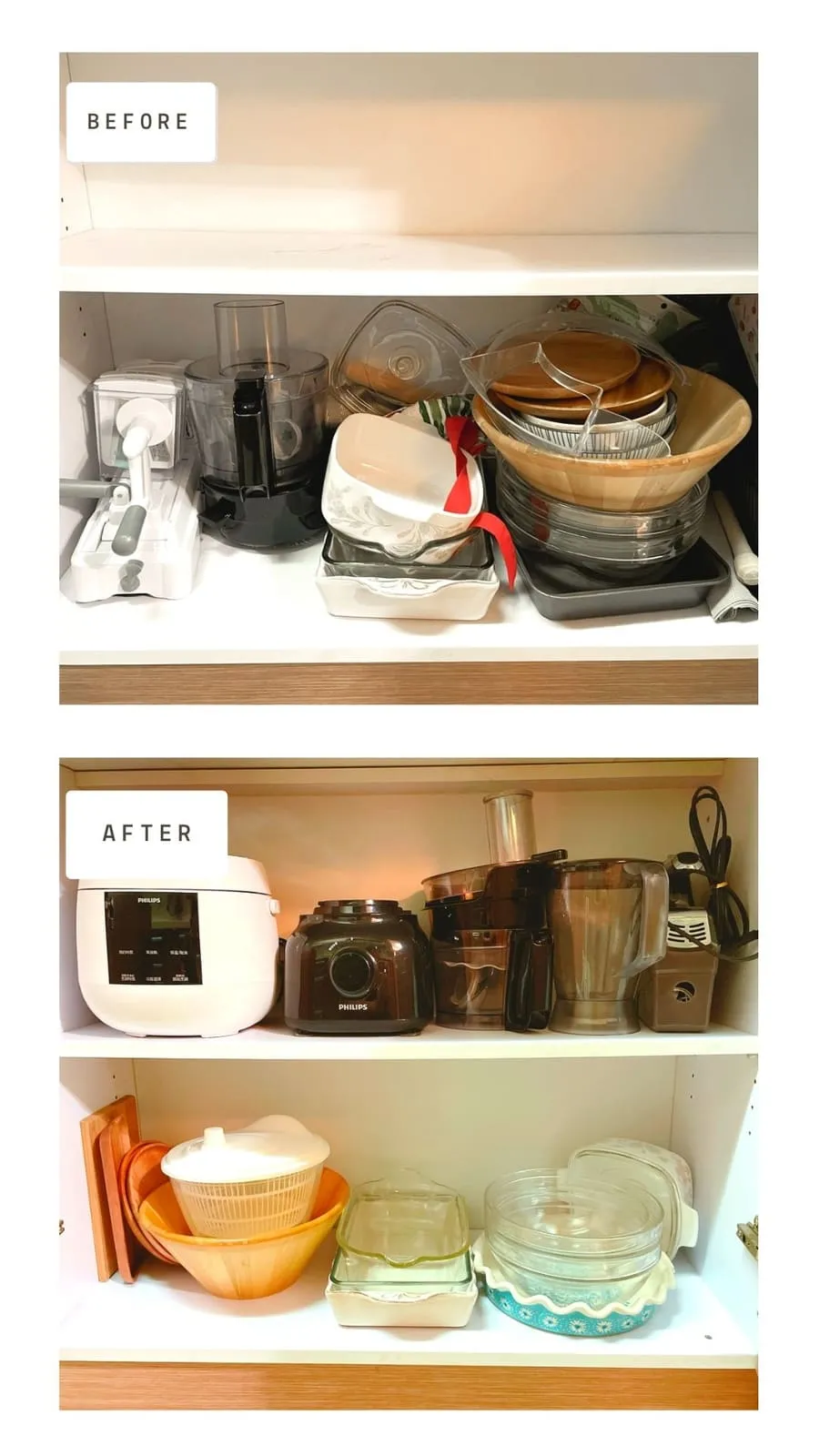
Last but not least.
These ten points are what I learned from spending three weekends tidying. I hope they help you. Before I finish, I want to remind those of you who want to start: don’t be put off by fancy buzzwords, whether it’s minimalism, danshari decluttering, or organizing experts. None of that is the point of this book. Many people probably think, I’m not a minimalist, so why should I tidy? Honestly, I’m not either. My home still has my favorite floral teacups, wine glasses, cookbooks, and so on. But using the KonMari method gave me more chances to enjoy and cherish these things. Even more interesting, you’ll find that once you’ve tidied your home, many of your thoughts and relationships get sorted out too. The magic all comes from you.